Produce with
depth of flavour & traditional texture & character
depth of flavour & traditional texture & character
depth of flavour & traditional texture & character
Our produce
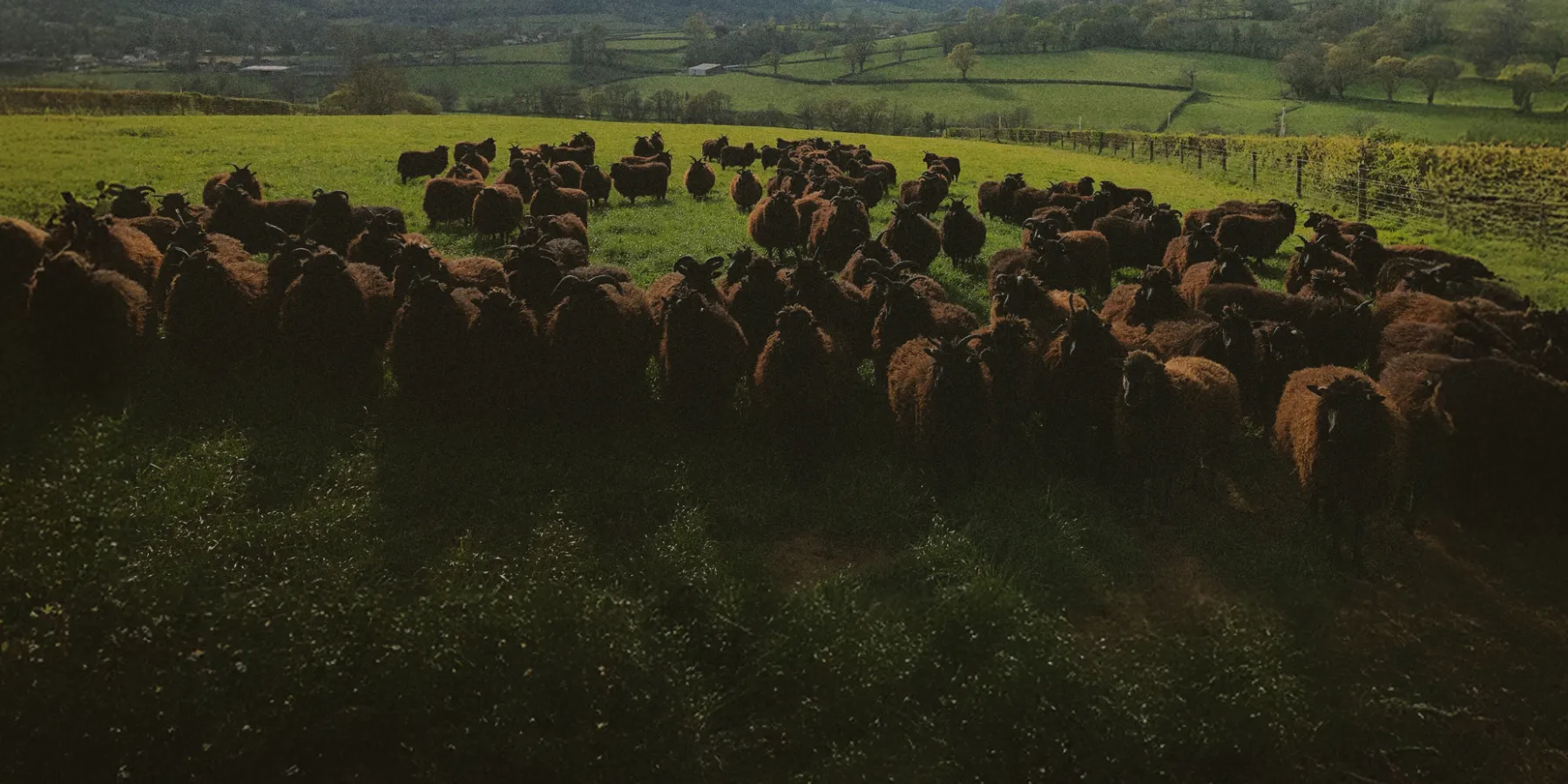
At Otter Valley Farms our main product is fine quality hogget and cull yaw for restaurants serious about provenance, and for artisan butchers who are able to cope with seasonal supply. The hogget and the cull ewes will have overwintered on grass, moving constantly to find grazing and building marbled lean meat.
At Otter Valley Farms our main product is fine quality hogget and cull yaw for restaurants serious about provenance, and for artisan butchers who are able to cope with seasonal supply. The hogget and the cull ewes will have overwintered on grass, moving constantly to find grazing and building marbled lean meat.
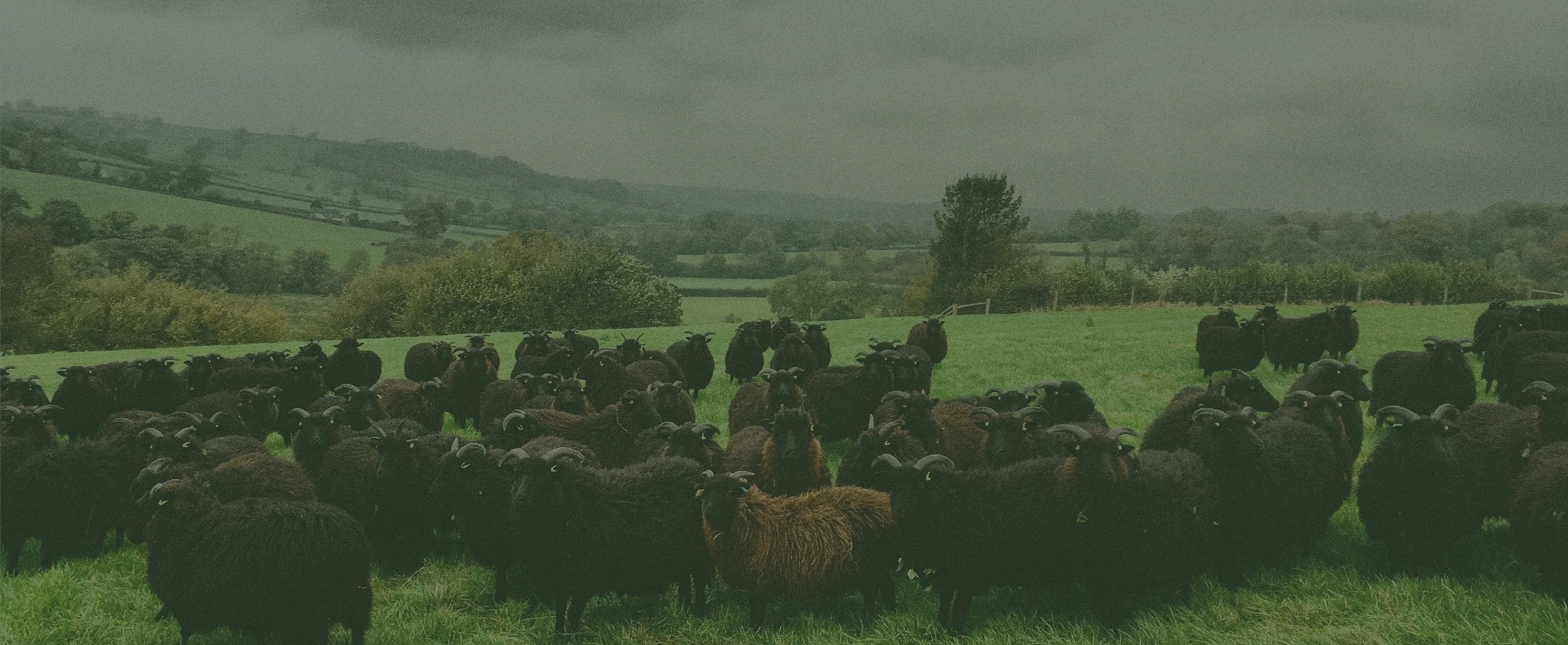
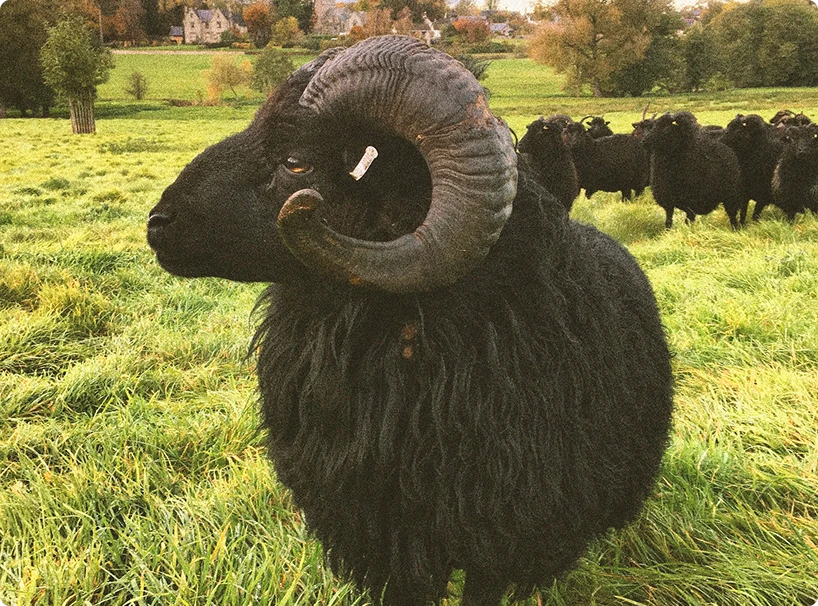
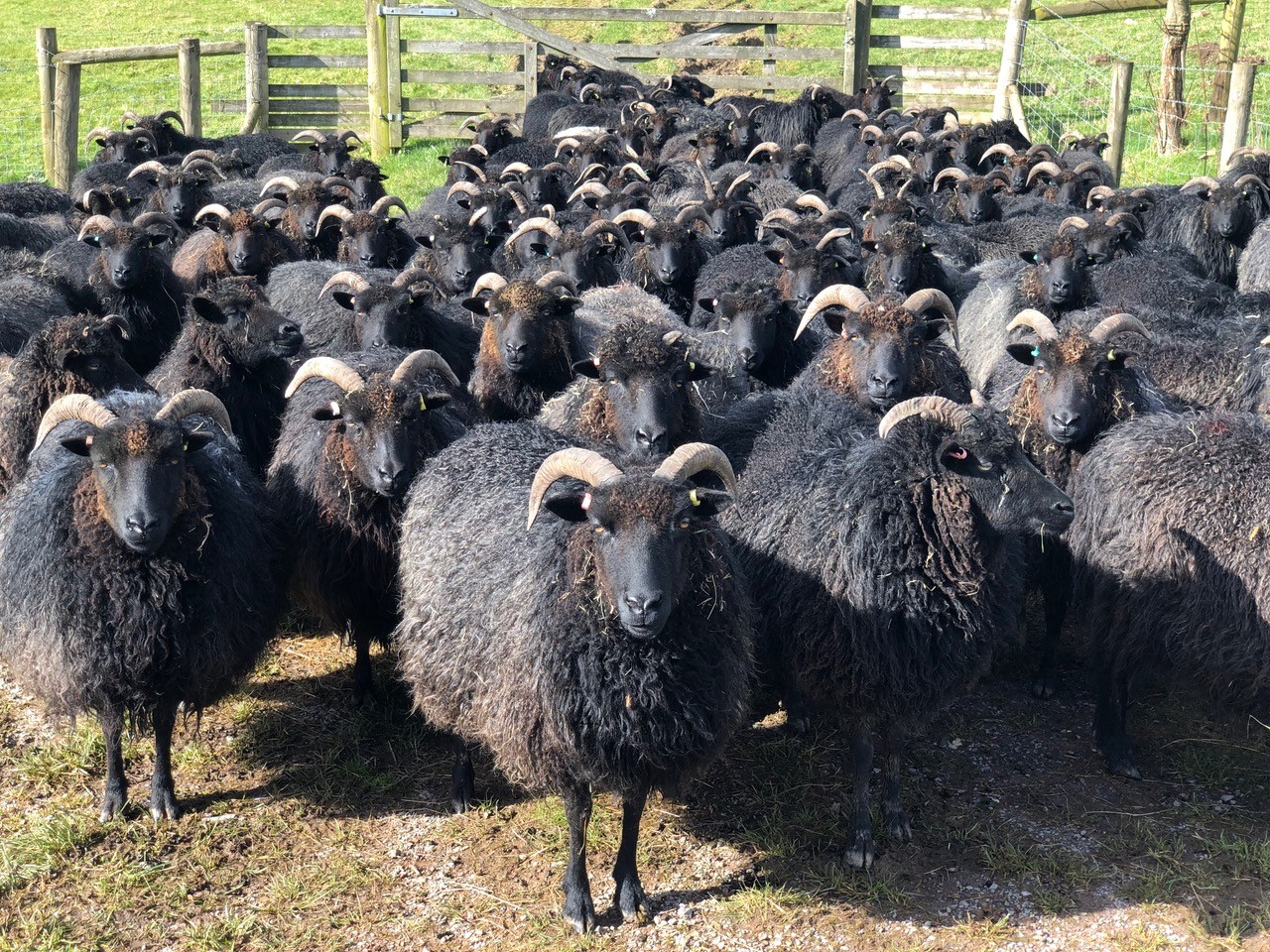
Our Hebridean sheep are an ancient native breed, untouched by the selective breeding associated with volume production. They are smaller animals that mature slowly, producing meat with exceptional depth of flavour. Both ewes and rams carry impressive horns and may look fearsome, but they are in fact gentle and, for the most part, friendly.
Our flock is carefully bred on the farm from controlled bloodlines favouring the four horned strain. Lambs are born in our purpose-built lambing shed, then turned out onto pasture as soon as they are strong enough to be safe from foxes. From there, they graze year-round on the species-rich grasslands of East Devon.
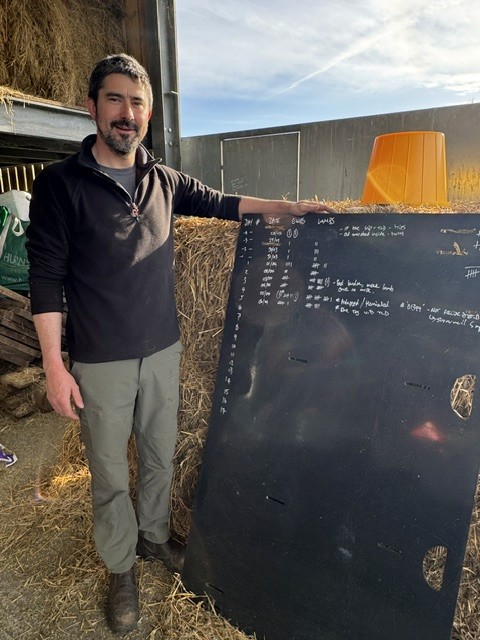
Hebridean sheep have long been used in large-scale horticulture, fine gardens and estate management. They were introduced to the farm by our farm manager, Daniel Leighton ( Dip. Hort. RBG Kew). As well as being striking animals and kinder on the land, they produce meat that is leaner than many commercial breeds and full of character. The rack, leg and shoulder are especially prized, while slower-cooked cuts reward patience with a rich, deeply satisfying flavour. We are always happy to share favourite recipes. Why not contribute yours? At home on the farm we have found Hebridean meat to be particularly delicious in roasts but also tagines and curries, and other slow-cooked dishes.
We sell our lambs as hogget, at around 12-18 months old, by which time the meat has developed the texture and flavour for which it is so highly sought-after. Each year we also take the weakest breeding animals from the flock as “cull yaw”. Because our sheep produce fewer lambs per animal than most commercial flocks — averaging around 1.8 lambs — the cull ewes remain in better condition, resulting in particularly high-quality cull yaw. Good enough to be served as a raw tartare, as Chef Nicholas Balfe did for a menu he designed for the Trencherman’s Guide gala dinner. Chef Tom Hurst at Cloth designed a hogget tartare tartlet.
The main product is pure Hebridean but we can also produce to order Hebridean F1 crosses to mature on grass alone earlier to order at Easter. If you would like to discuss supply of our produce, we would be delighted to hear from you.
Our Hebridean sheep are an ancient native breed, untouched by the selective breeding associated with volume production. They are smaller animals that mature slowly, producing meat with exceptional depth of flavour. Both ewes and rams carry impressive horns and may look fearsome, but they are in fact gentle and, for the most part, friendly.
Our flock is carefully bred on the farm from controlled bloodlines favouring the four horned strain. Lambs are born in our purpose-built lambing shed, then turned out onto pasture as soon as they are strong enough to be safe from foxes. From there, they graze year-round on the species-rich grasslands of East Devon.
Hebridean sheep have long been used in large-scale horticulture, fine gardens and estate management. They were introduced to the farm by our farm manager, Daniel Leighton ( Dip. Hort. RBG Kew). As well as being striking animals and kinder on the land, they produce meat that is leaner than many commercial breeds and full of character. The rack, leg and shoulder are especially prized, while slower-cooked cuts reward patience with a rich, deeply satisfying flavour. We are always happy to share favourite recipes. Why not contribute yours? At home on the farm we have found Hebridean meat to be particularly delicious in roasts but also tagines and curries, and other slow-cooked dishes.
We sell our lambs as hogget, at around 12-18 months old, by which time the meat has developed the texture and flavour for which it is so highly sought-after. Each year we also take the weakest breeding animals from the flock as “cull yaw”. Because our sheep produce fewer lambs per animal than most commercial flocks — averaging around 1.8 lambs — the cull ewes remain in better condition, resulting in particularly high-quality cull yaw. Good enough to be served as a raw tartare, as Chef Nicholas Balfe did for a menu he designed for the Trencherman’s Guide gala dinner. Chef Tom Hurst at Cloth designed a hogget tartare tartlet.
The main product is pure Hebridean but we can also produce to order Hebridean F1 crosses to mature on grass alone earlier to order at Easter. If you would like to discuss supply of our produce, we would be delighted to hear from you.
At Otter Valley Farms our main product is fine quality hogget and cull yaw for restaurants serious about provenance, and for artisan butchers who are able to cope with seasonal supply. The hogget and the cull ewes will have overwintered on grass, moving constantly to find grazing and building marbled lean meat.
Our Hebridean sheep are an ancient native breed, untouched by the selective breeding associated with volume production. They are smaller animals that mature slowly, producing meat with exceptional depth of flavour. Both ewes and rams carry impressive horns and may look fearsome, but they are in fact gentle and, for the most part, friendly.
Our flock is carefully bred on the farm from controlled bloodlines favouring the four horned strain. Lambs are born in our purpose-built lambing shed, then turned out onto pasture as soon as they are strong enough to be safe from foxes. From there, they graze year-round on the species-rich grasslands of East Devon.
Hebridean sheep have long been used in large-scale horticulture, fine gardens and estate management. They were introduced to the farm by our farm manager, Daniel Leighton ( Dip. Hort. RBG Kew). As well as being striking animals and kinder on the land, they produce meat that is leaner than many commercial breeds and full of character. The rack, leg and shoulder are especially prized, while slower-cooked cuts reward patience with a rich, deeply satisfying flavour. We are always happy to share favourite recipes. Why not contribute yours? At home on the farm we have found Hebridean meat to be particularly delicious in roasts but also tagines and curries, and other slow-cooked dishes.
We sell our lambs as hogget, at around 12-18 months old, by which time the meat has developed the texture and flavour for which it is so highly sought-after. Each year we also take the weakest breeding animals from the flock as “cull yaw”. Because our sheep produce fewer lambs per animal than most commercial flocks — averaging around 1.8 lambs — the cull ewes remain in better condition, resulting in particularly high-quality cull yaw. Good enough to be served as a raw tartare, as Chef Nicholas Balfe did for a menu he designed for the Trencherman’s Guide gala dinner. Chef Tom Hurst at Cloth designed a hogget tartare tartlet.
The main product is pure Hebridean but we can also produce to order Hebridean F1 crosses to mature on grass alone earlier to order at Easter. If you would like to discuss supply of our produce, we would be delighted to hear from you.
Types of produce
Hogget & Cull Yaw
Distinct in age. Unified by character. Raised on pasture.
Distinct in age. Unified by character. Raised on pasture.
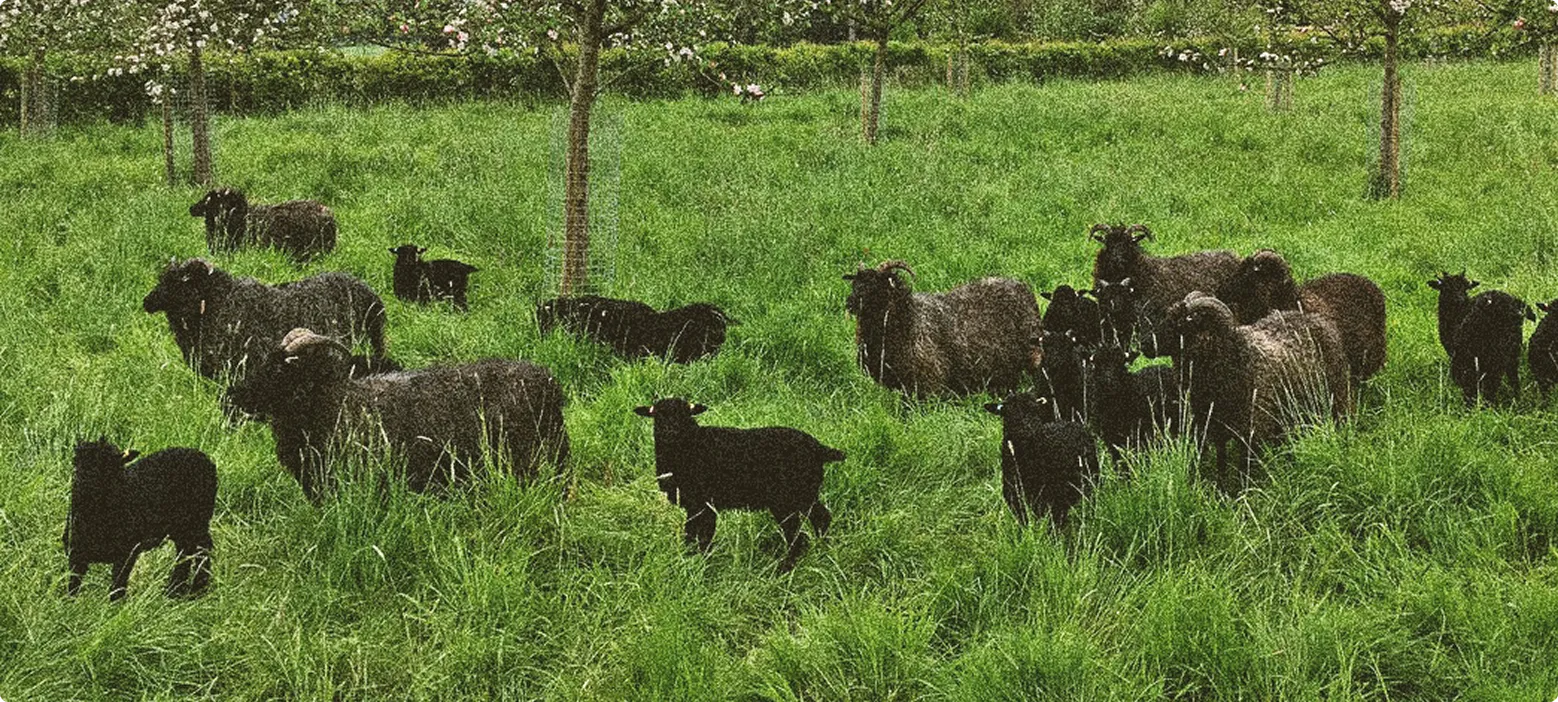
Hogget
Hogget
Hogget
Sheep in their second year, offering a natural balance of tenderness and depth. Carefully raised on pasture, with more developed character than lamb.
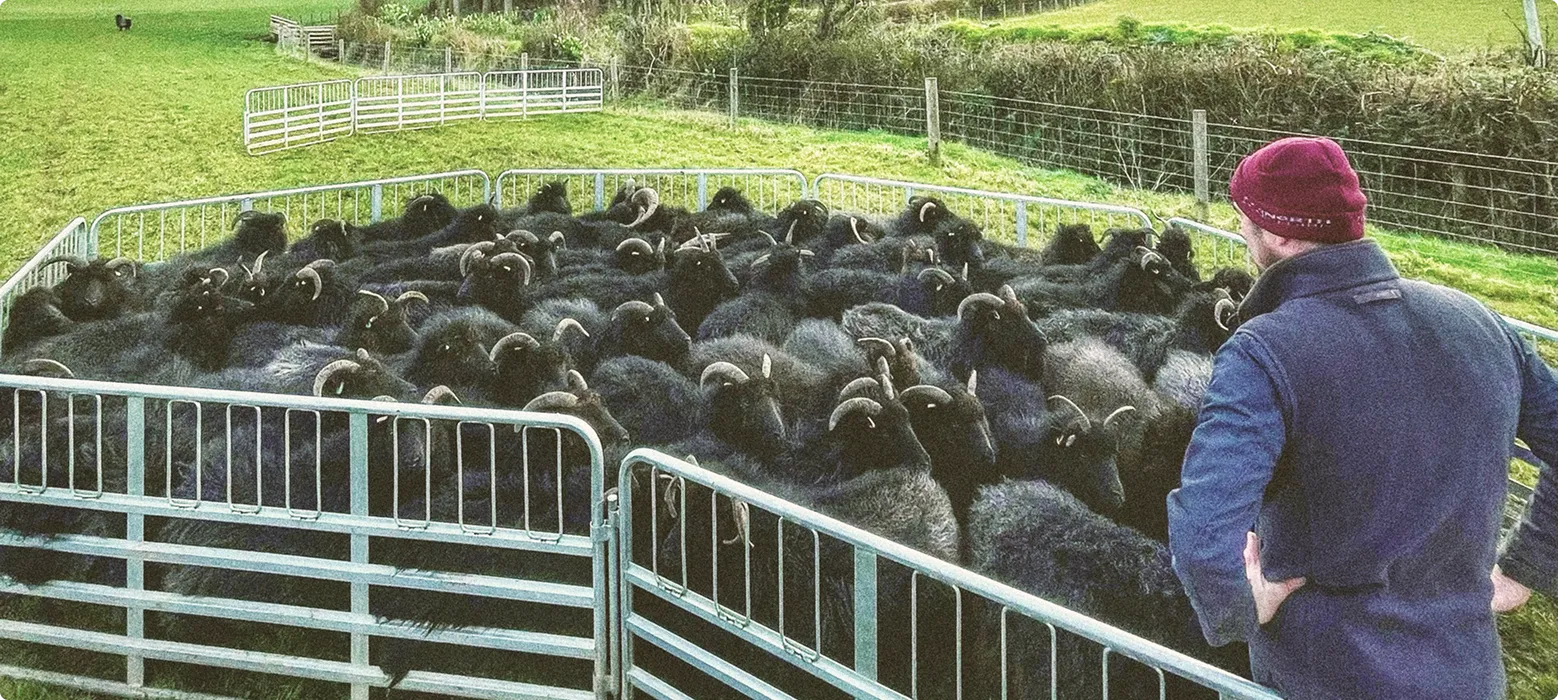
Cull Yaw
Cull Yaw
Cull Yaw
Mature pasture-raised ewes with a deeper, more robust character. Shaped by time, age and landscape, cull yaw offers rich flavour, natural depth and a distinctive expression of traditional farming.
At Easter, cross-breed stock also available upon request.
Rare breed pigs (Oxford Sandy & Blacks, Gloucester Old Spot, and Berkshire Blues) also available on request.
Our process
Hebridean
sheep
Hebridean
sheep
Hebridean
sheep
A natural product of the British landscape
Hebridean sheep are a British breed, small and naturally lean. They thrive on rough grazing and produce meat with exceptional flavour and texture. Their size means a whole joint remains affordable for restaurants, and for butchers to sell for you to cook at home.
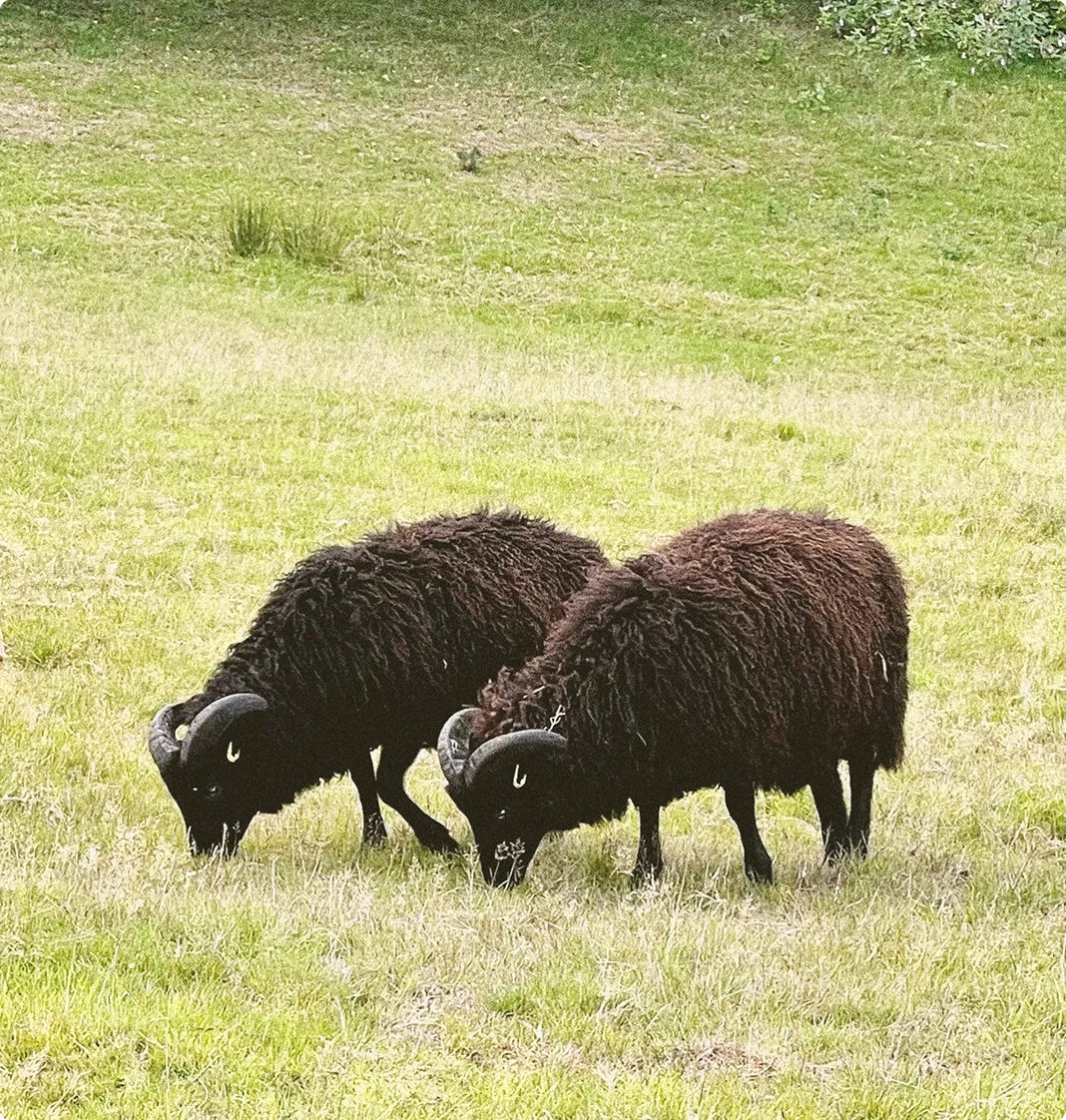
Constant movement to find the best grazing builds quality
Our sheep move continuously across the valley, never staying long in one place. Our deliberately low stocking density means they work for their food, developing deep marbling. Marbling gives our hogget its distinctive flavour and texture. Hogget and cull ewes have been through at least one winter on foraged grass alone.
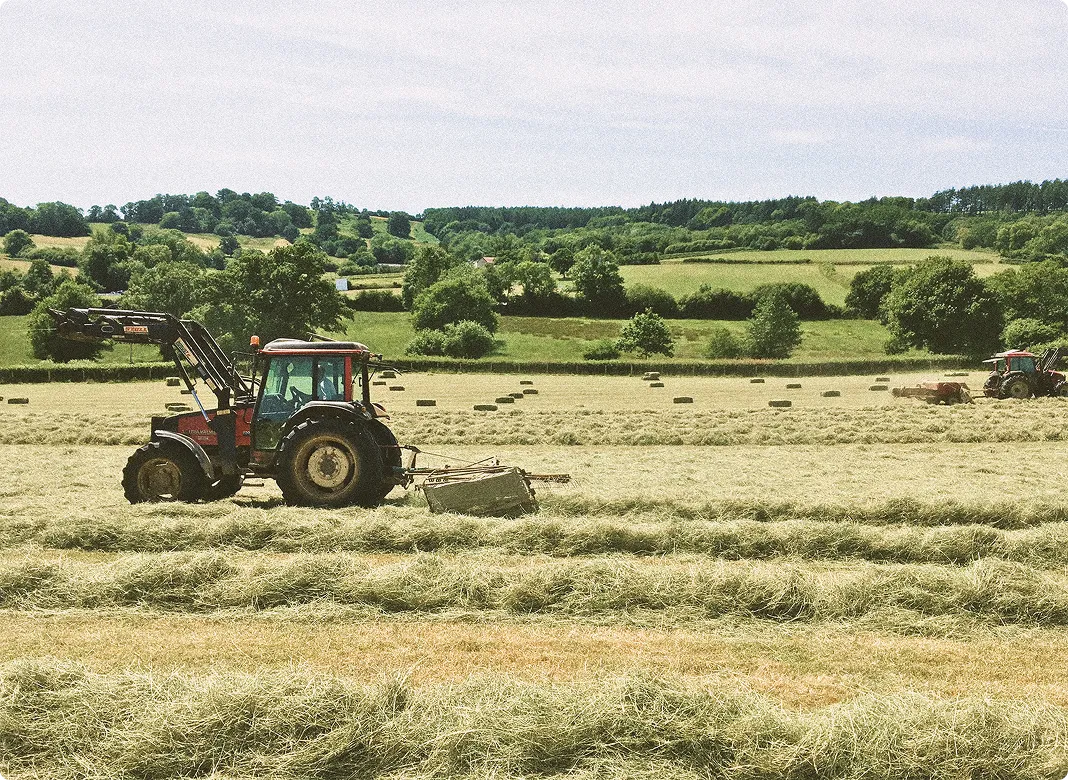
Abattoir minutes from the farm
The journey from field to processing is measured in minutes, not hours. Less stress on the animal means better meat quality as well as respect for animal welfare.
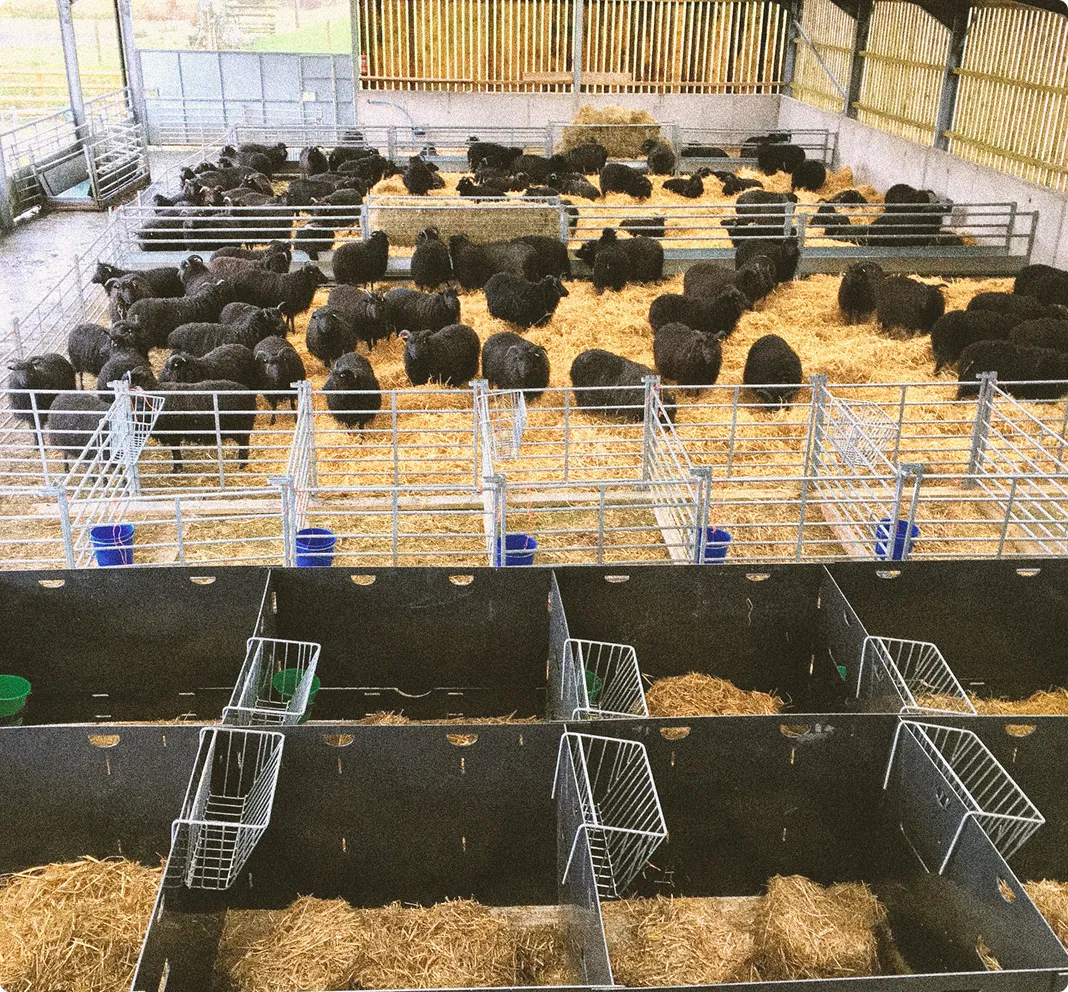
Technology records the provenance
We can track every animal through the generations. We can record which fields they have grazed and therefore what they have eaten. This supply transparency means our buyers know the provenance of every joint.
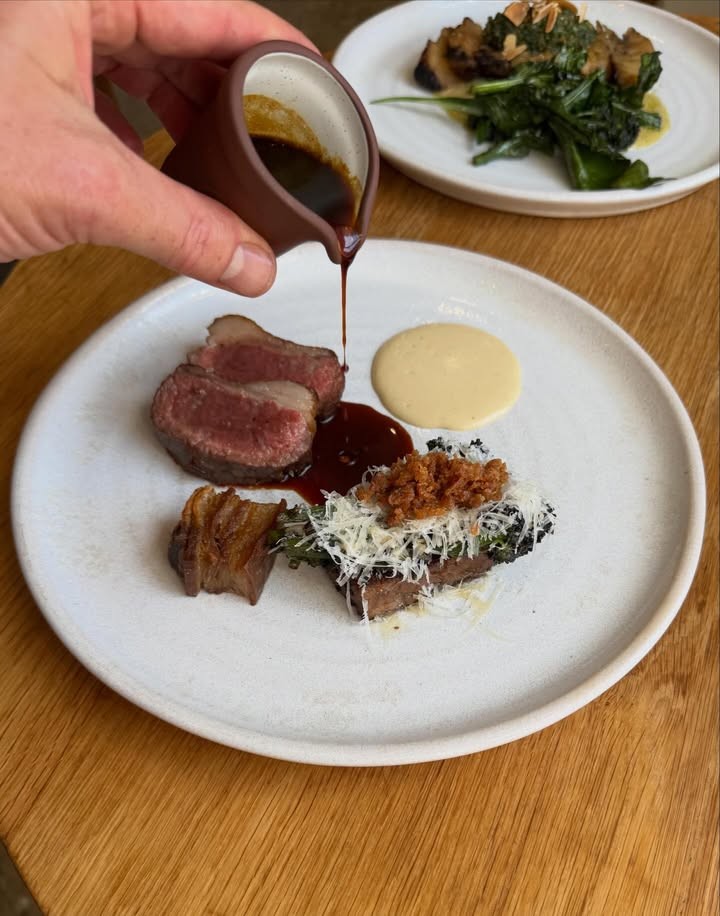
"Regulars will be well aware of our relationship with Otter Valley Farms, stretching almost 10 years now. Their pure-bred Hebridean and Texel Cross sheep form a cornerstone of our menus throughout the year."
Nicholas Balfe
Chef Director

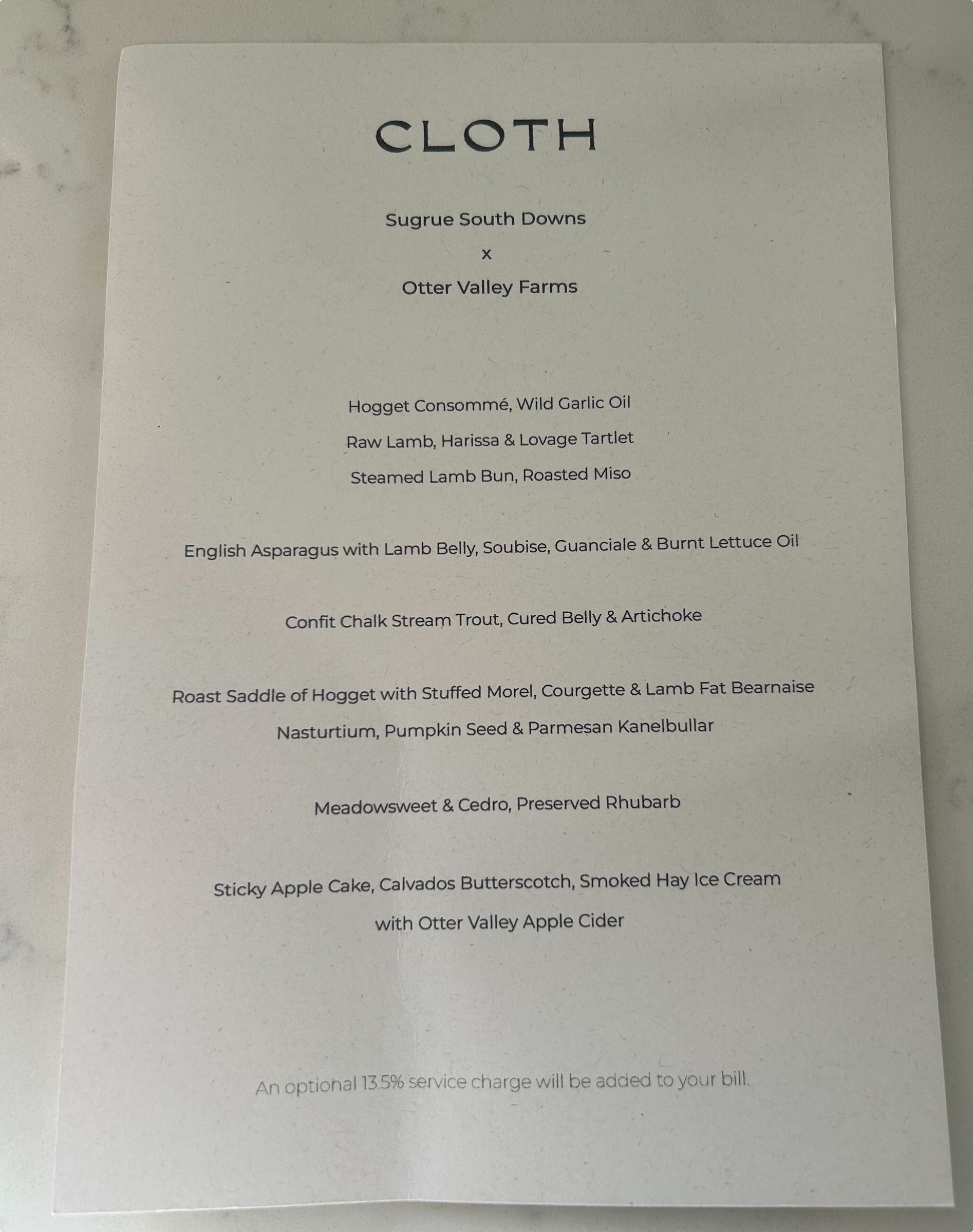
Featured on the menu at Cloth
Tom Hurst
Head Chef
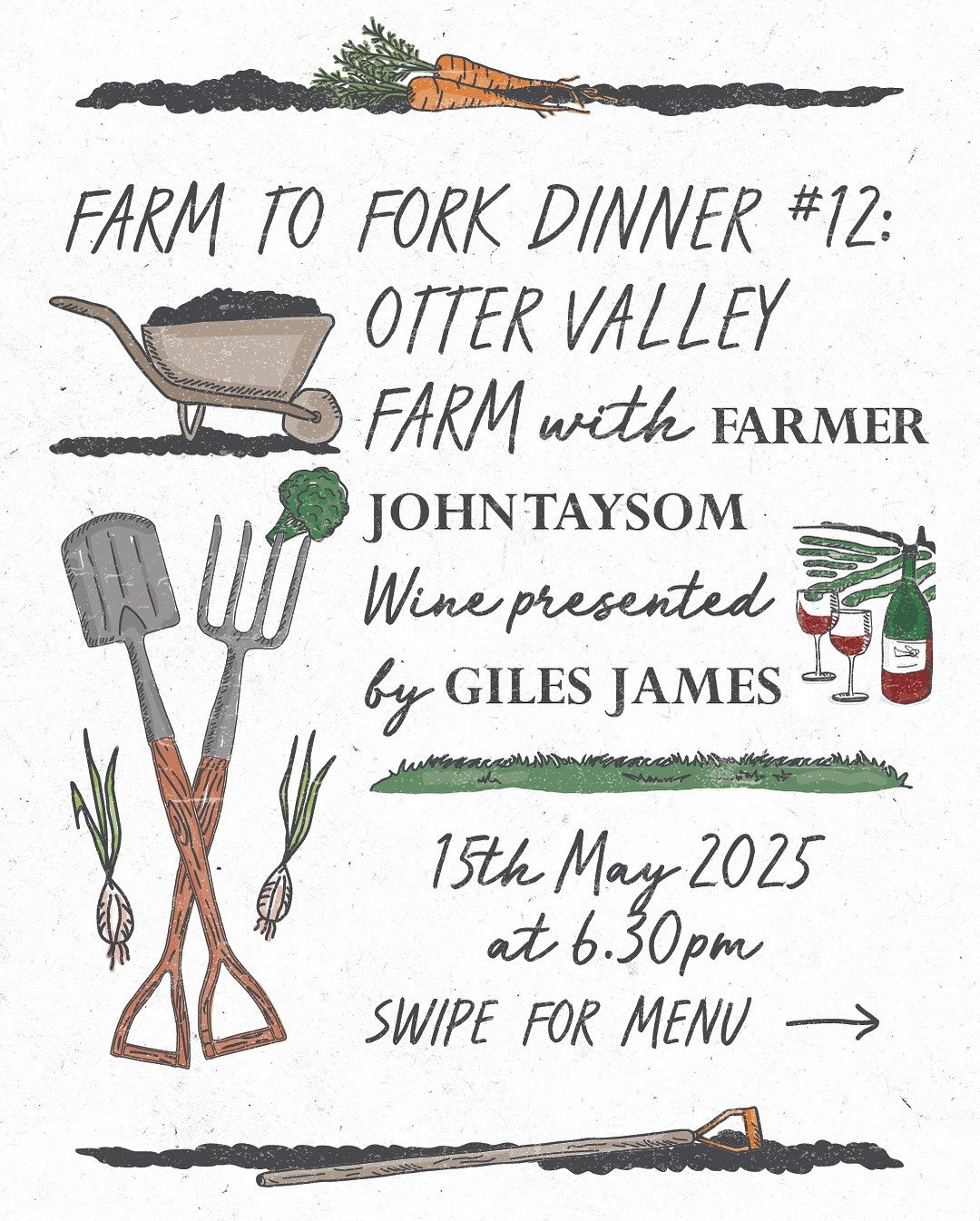
Featured on the menu at The Pig's Head
Michael Chan
Head Chef
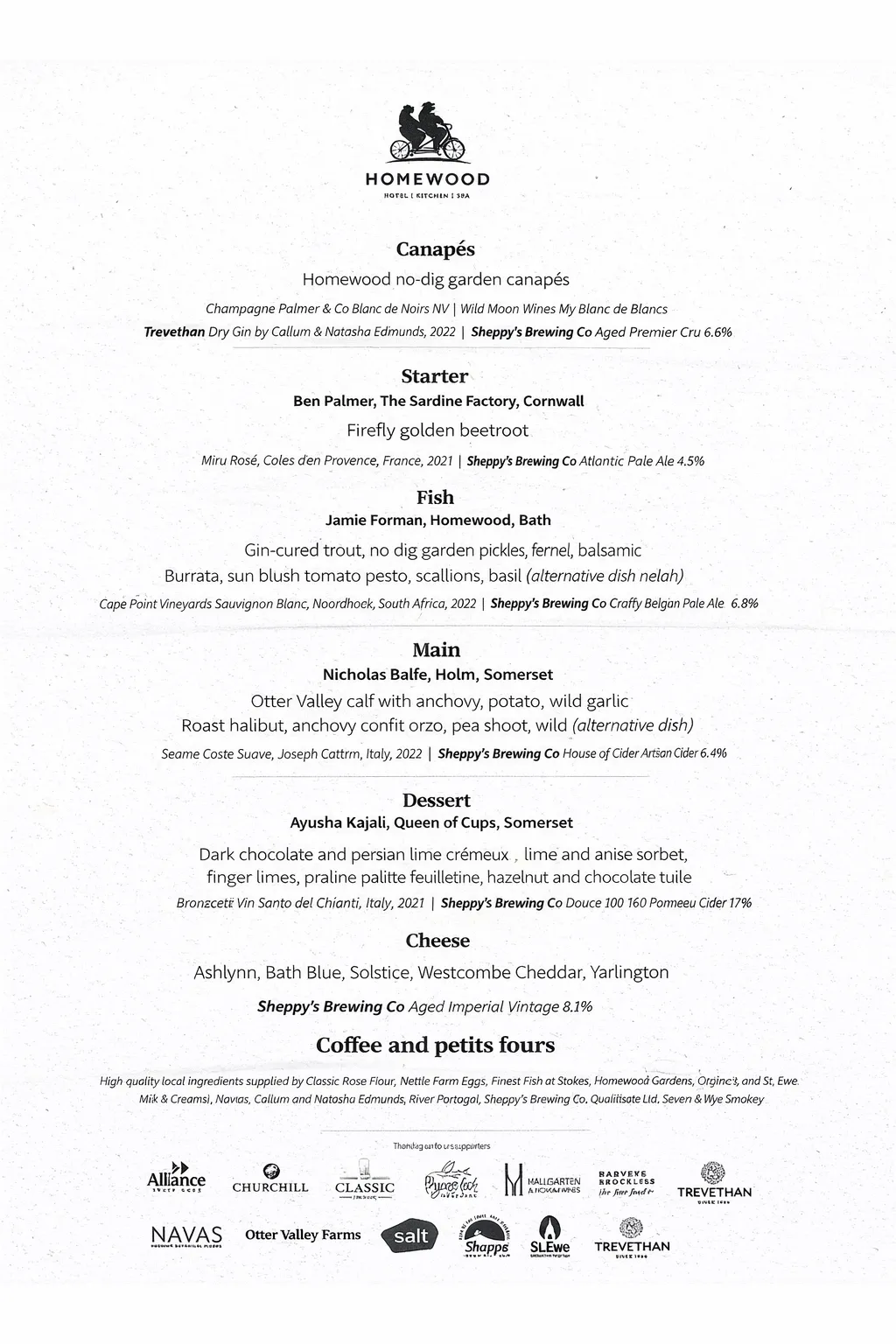
Selected by chef Nicholas Balfe, Holm Restaurant, for the gala Trenchermans guide dinner.
Nicholas Balfe
Chef Director

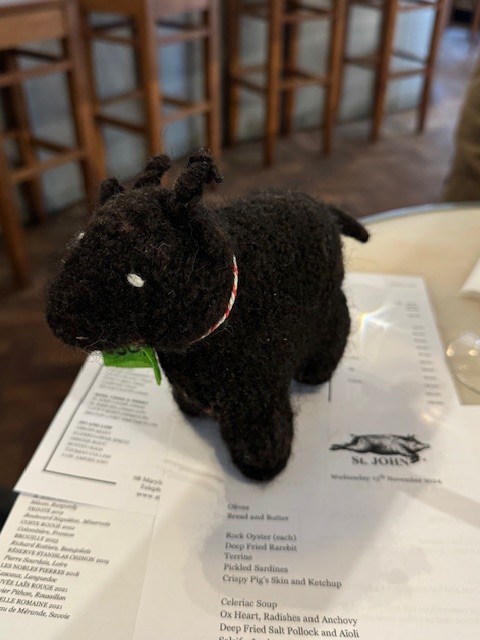
Featured on the menu at St John
St John - Marylebone
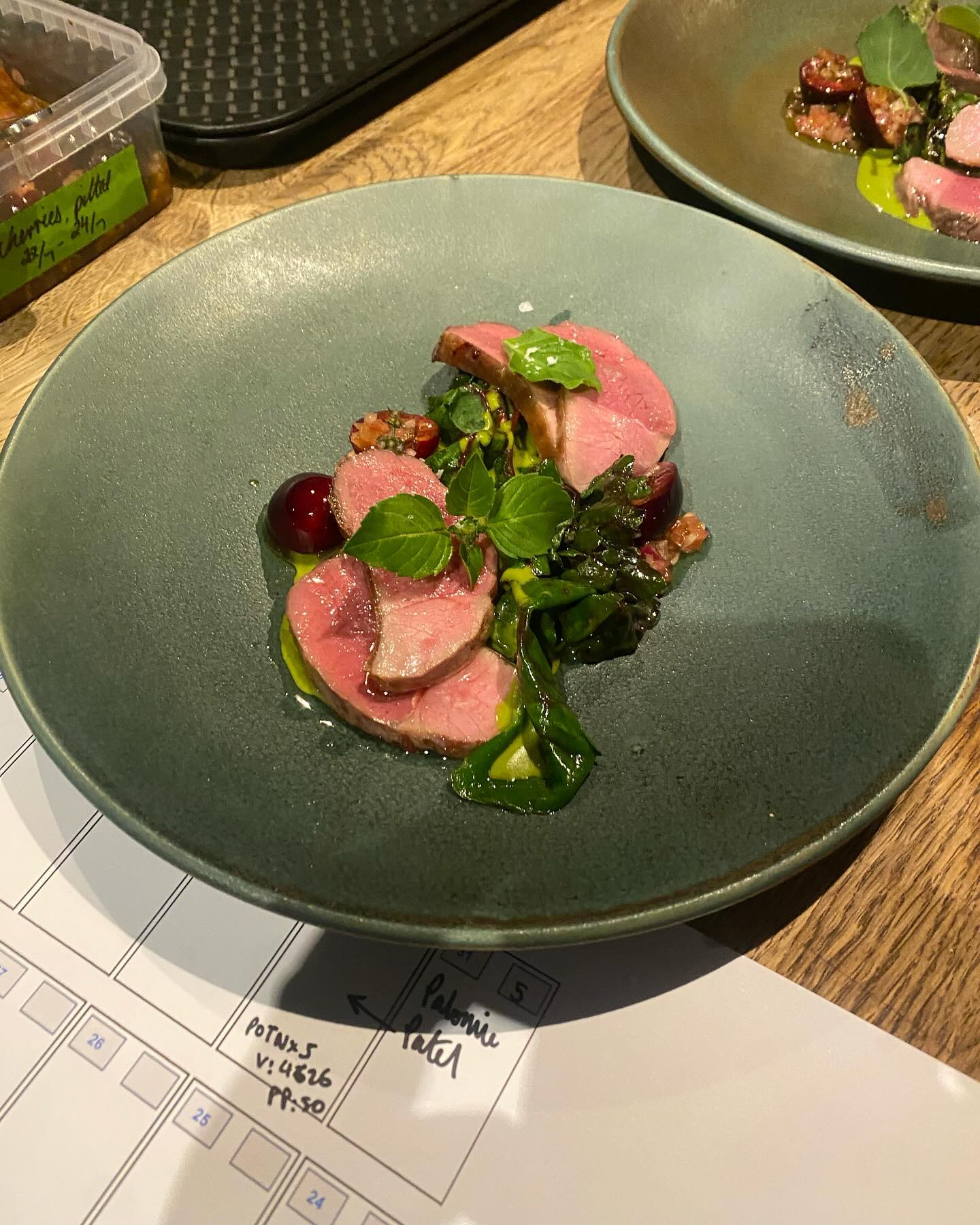
“When I was asked by Ed to do a pop-up at Carousel, I immediately thought of Otter Valley Farm’s hogget as the main course... I first cooked with it at St. John. It’s simply extraordinary meat, deeply flavoured, beautifully and carefully reared.”
Jamie Smart
Head Chef
Testimonials
What chefs are saying
"Regulars will be well aware of our relationship with Otter Valley Farms, stretching almost 10 years now. Their pure-bred Hebridean and Texel Cross sheep form a cornerstone of our menus throughout the year."
Nicholas Balfe
Chef Director
"Regulars will be well aware of our relationship with Otter Valley Farms, stretching almost 10 years now. Their pure-bred Hebridean and Texel Cross sheep form a cornerstone of our menus throughout the year."
Nicholas Balfe
Chef Director
Featured on the menu at Cloth
Tom Hurst
Head Chef
Featured on the menu at Cloth
Tom Hurst
Head Chef
Featured on the menu at The Pig's Head
Michael Chan
Head Chef
Featured on the menu at The Pig's Head
Michael Chan
Head Chef
Selected by chef Nicholas Balfe, Holm Restaurant, for the gala Trenchermans guide dinner.
Nicholas Balfe
Chef Director
Selected by chef Nicholas Balfe, Holm Restaurant, for the gala Trenchermans guide dinner.
Nicholas Balfe
Chef Director
Featured on the menu at St John
St John - Marylebone
Featured on the menu at St John
St John - Marylebone
“When I was asked by Ed to do a pop-up at Carousel, I immediately thought of Otter Valley Farm’s hogget as the main course... I first cooked with it at St. John. It’s simply extraordinary meat, deeply flavoured, beautifully and carefully reared.”
Jamie Smart
Head Chef
“When I was asked by Ed to do a pop-up at Carousel, I immediately thought of Otter Valley Farm’s hogget as the main course... I first cooked with it at St. John. It’s simply extraordinary meat, deeply flavoured, beautifully and carefully reared.”
Jamie Smart
Head Chef
Testimonials
What chefs are saying
"Regulars will be well aware of our relationship with Otter Valley Farms, stretching almost 10 years now. Their pure-bred Hebridean and Texel Cross sheep form a cornerstone of our menus throughout the year."
Nicholas Balfe
Chef Director
"Regulars will be well aware of our relationship with Otter Valley Farms, stretching almost 10 years now. Their pure-bred Hebridean and Texel Cross sheep form a cornerstone of our menus throughout the year."
Nicholas Balfe
Chef Director
Featured on the menu at Cloth
Tom Hurst
Head Chef
Featured on the menu at Cloth
Tom Hurst
Head Chef
Featured on the menu at The Pig's Head
Michael Chan
Head Chef
Featured on the menu at The Pig's Head
Michael Chan
Head Chef
Selected by chef Nicholas Balfe, Holm Restaurant, for the gala Trenchermans guide dinner.
Nicholas Balfe
Chef Director
Selected by chef Nicholas Balfe, Holm Restaurant, for the gala Trenchermans guide dinner.
Nicholas Balfe
Chef Director
Featured on the menu at St John
St John - Marylebone
Featured on the menu at St John
St John - Marylebone
“When I was asked by Ed to do a pop-up at Carousel, I immediately thought of Otter Valley Farm’s hogget as the main course... I first cooked with it at St. John. It’s simply extraordinary meat, deeply flavoured, beautifully and carefully reared.”
Jamie Smart
Head Chef
“When I was asked by Ed to do a pop-up at Carousel, I immediately thought of Otter Valley Farm’s hogget as the main course... I first cooked with it at St. John. It’s simply extraordinary meat, deeply flavoured, beautifully and carefully reared.”
Jamie Smart
Head Chef
Testimonials
What chefs are saying
Ready to source from us?
We supply across London & the South-West,
ask your existing wholesale supplier or...
Ready to source from us?
We supply across London & the South-West,
ask your existing wholesale supplier or...